

Repairing French Doors
French doors are a popular choice for homes built in the past, but they are susceptible to problems in time. These issues can be minor or serious and if not dealt with promptly, they can cause damage.
If you know what to check it's simple to fix many of these issues. Here are some tips to fix French doors:
Locks that are not aligned
It isn't always easy to open or close a door if the lock is not aligned. This could also cause damage to your home and door. Door lock misalignment may be caused by hinges that need adjustment, structural settling or improper installation. There are a variety of simple solutions you can attempt yourself to solve this issue.
The first step is to determine the reason for why the latch isn't connecting to the hole in the strike plate or door frame. To do this, try closing the door and then search for a mark in the area where the latch touched the strike plate hole. This will help you identify the issue and fix it in the correct way.
If the latch contact is located above or below the strike plate hole, it's most likely a sign of hinges that are loose or the frame of the door that requires shims. In the event of loose hinges, it can cause the door to sag which can cause an uneven alignment. This can be corrected by tightening the screws on the hinges and re-adjusting the hinges. Utilizing shims to support the hinges can also aid in keeping them in place and prevent sagging.
A stuck or seized lock-cylinder is another frequent cause of a misaligned door. It could be due to debris, dirt or a worn-out key. In either case, lubricating your lock cylinder is the best solution. You can make use of silicone or graphite greases. If the lock cylinder is sticking, it's a good idea to consult an expert to avoid any further injury or damage.
A seized latch could cause issues for French doors because it stops the door from opening and closed. This can be a result of a faulty alignment or warping of the door and frame as a result of climate changes. This could also be a sign of faulty hardware. Most of the time, a stuck latch can be fixed by repositioning it and lubricating with a silicone spray. If the latch is damaged, it could be required to replace it. A skilled handyman will know how to recognize this issue and repair it in a timely manner.
Leaks
If your French doors are constructed in accordance with modern standards, then they shouldn't leak. But if they leak, it's essential to understand where the leak is coming from so you can correct it.
There are a variety of possible reasons why water can enter your door through the bottom. The most frequent issue is that the seal at the bottom of the door isn't tight enough. This allows moisture to get inside the door and cause damage. Another possibility is that there's a crack or hole in the door sill or frame. If this is the case, you'll need to repair or replace the sill or door threshold.
Leaks around your French doors can also happen when there is no barrier between the doors and the wind. Strong winds can easily weaken seams creating leaks that can cause damage to floors and walls. You can avoid this by putting up a screen or an awning, or by adding a fence to create an windbreak.
Another reason that leaks could be a problem is that the seals around your French doors aren't maintained or installed properly. In this case you'll have to reseal them with silicone caulking. This material is ideal for sealing around French doors due to its the highest adhesion and flexibility as well as being waterproof.
It's also important to check that the drainage holes at the bottom of your uPVC French doors aren't blocked or stuffed with debris. This will help minimize heat transfer and air infiltration into your home, thus reducing energy bills.
It's also a good idea, to maintain their appearance and functionality by regularly checking your French doors and clean them with a mild cleaning agent. Regular maintenance can increase their lifespan and improve their performance. Taking these steps can help you avoid expensive repairs and let you enjoy your French doors for years to come!
Warping
French doors are a fantastic way to connect your outdoor and indoor spaces while letting in plenty of sunlight. But, just like any other door, they can become damaged over time due to wear and tear or poor installation. This is the reason it's so important to have your French doors repaired when you spot an issue.
If your French doors have stopped locking, there's a high possibility that the lock has been damaged or stuck due to wear and tear. It is necessary to remove the lock and take it off the door to take an examination of the mechanism.
Another common problem with French doors is that the latch gets stuck or won't close properly. This usually happens because the doors have been misaligned. Either the hinges are loose or they were not installed properly. The easiest method to fix this is to open and close the doors as carefully as you can to test if the latch works or not.
Your doors may not shut properly due to swollen wood caused by moisture. You'll need to raise the width of the door frame to accommodate the hinges. This is a challenging task and isn't something that you should try by yourself without professional assistance.
Get your French doors fixed immediately you spot any problems is essential to ensure they're looking good and operating correctly. With proper care and maintenance, they'll last for years to be.
Chameleon specializes in repairing and making wooden windows, doors and other wooden elements on period or listed buildings. We can install new French doors to give your home an elegant and traditional look or repair the ones that are already in place. Contact us today if you're bored of your old French doors. We'll provide you with a free estimate for repairs, as well as the high-quality service that you deserve.
Wooden Parts
French doors are gorgeous additions to any house particularly those with period homes. However, with time, they may become damaged and weathered. While this can cause a few minor issues but it's also relatively simple to repair.
If your exterior French door isn't locking, it is possible that something is blocking the frame or there is an issue with the alignment of the latch and the door. In the latter case, you should examine the door for debris, dirt or household objects that are caught between the frame and door and clean them out as needed.
In the second case you might need to adjust or tighten the hinges. This can be accomplished by locating the lateral adjustment lever on a door hinge (usually hidden behind a plastic cover or small plug) and using it to move the hinge away from or toward the frame of the door. You can also lubricate the latch using silicone spray or oil. However, this could not last for long and you may have to replace it.
The wood in the frame of a French door can expand as a result of changes in humidity. This could make it difficult to open and close the door. To remedy this, sand the edges of the frame to re-adjust the frame. Be sure to reapply sealant or paint afterwards.
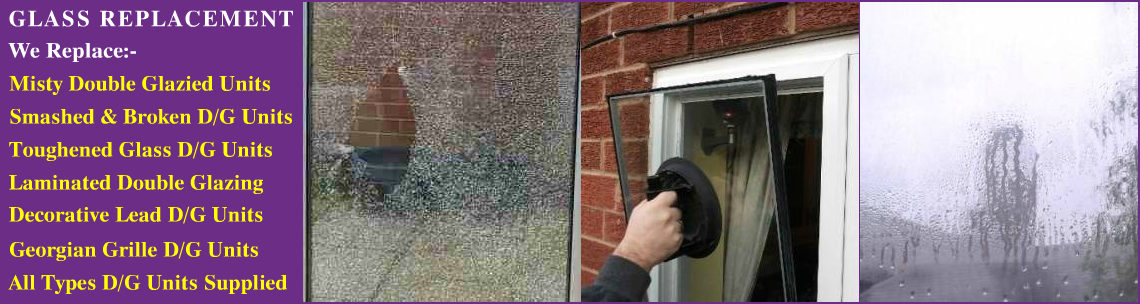
homepage with external French doors is the formation of fog between the two panes glass. This can result in a loss of light and can reduce the efficiency of energy used by the doors. Fog can often be remedied by replacing the glass panes but this isn't a task that should be done without expert help.
Broken or cracked glass pane should be replaced as soon as possible for safety reasons and to keep out elements from the house. The procedure for replacing glass on French doors is similar to the procedure for sliding glass doors but requires a little more skill and precision to do properly. Wear gloves that protect you when removing the old pane of glass from the window. Take measurements of the opening to ensure that the new glass will fit properly. Cut and install the pane with care. Reinstall any hardware for the door and glass components.